
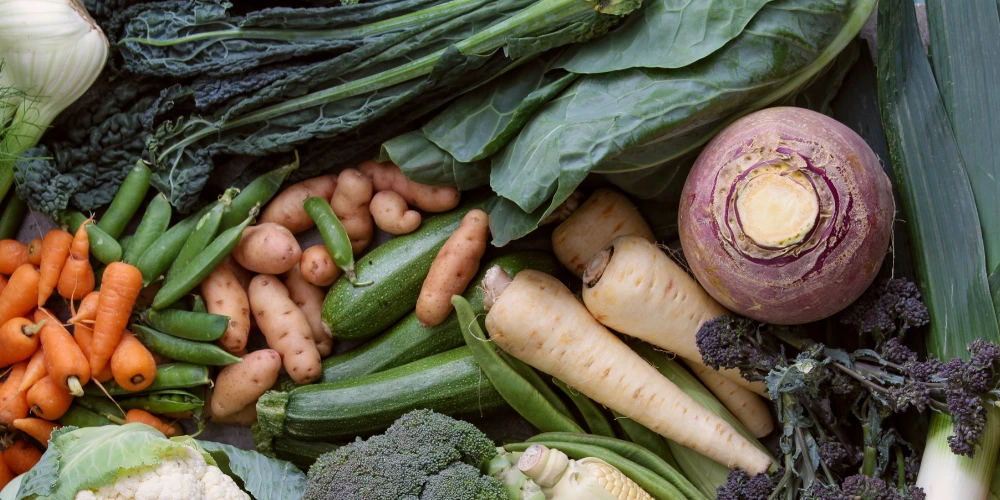
As with every change of season, we're also seeing some shifts in availability across the wider fresh produce market. The long, hot summer and limited rainfall have affected growing conditions across the UK, with some crops producing lower yields and smaller sizes than usual. These conditions are also influencing quality and availability, with certain products moving to imported supply earlier than we would normally expect.
Water availability remains a concern too. At the start of October, reservoir storage in England stood at 54%, around 21% below the seasonal average, with 11 areas still experiencing drought conditions. While some product lines are feeling the effects more than others, there are still plenty of good options available.
Here's a look at what's happening across some of our key lines as we move further into the season
Carrots
Are looking particularly good this season, with supply holding up well despite the difficult growing conditions. They're a real autumn staple, and there's no shortage of ways to use them, whether in everyday dishes, warming soups or traditional seasonal favourites.

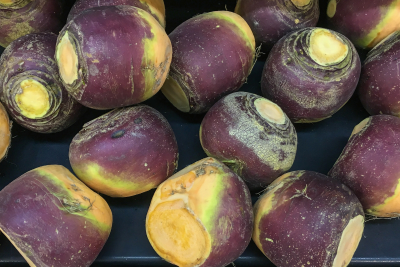
Swede
Is another positive this season. It's always a popular choice as the weather gets colder and works brilliantly in everything from traditional roasts to soups and hearty winter dishes. It's good to see this line performing well as we head into the busier winter months.
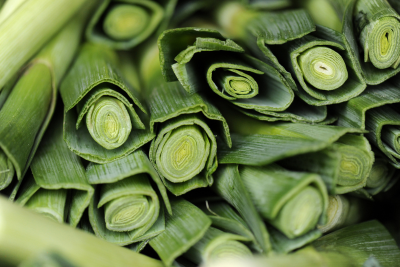
Leeks
Are also doing well, with availability looking encouraging. They're a great all-rounder at this time of year and work particularly well in soups, pies, casseroles and plenty of other comforting dishes.
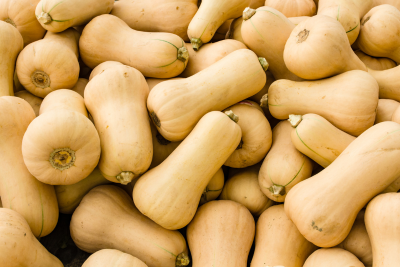
Squash
Is a crop worth making the most of this autumn. Supply is looking good, and its natural colour and versatility make it a great addition to seasonal menus. Whether roasted, added to soups or used as a side dish, it's a useful ingredient to have available as the colder weather sets in.
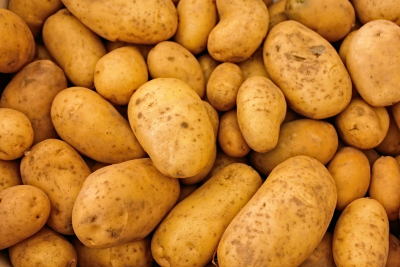
Potatoes:
The dry summer has noticeably affected potato growth, particularly larger baking potatoes. With less moisture available during the growing season, tubers haven't developed as well as hoped, leaving the bigger sizes in shorter supply. We expect larger baking potatoes to remain limited until around March 2027. Smaller sizes are generally easier to get hold of, so being a little flexible with sizing could help when placing orders over the coming months.
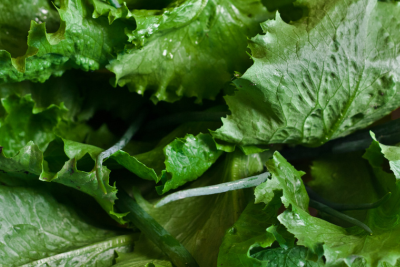
Lettuce & Salad:
We're coming towards the end of the UK lettuce season, with Spanish and Moroccan supply arriving earlier than usual this year. As with any seasonal changeover, there can be a few bumps along the way. Little Gem and Cos lettuce are currently experiencing some short-term gaps and quality issues. Iceberg is holding up better at the moment and may be a more dependable option while supplies settle.
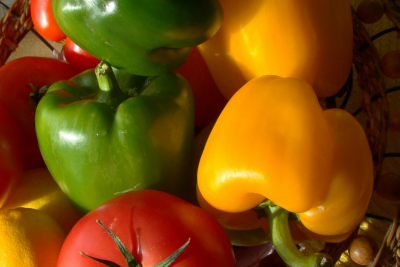
Peppers & Tomatoes:
It's not the easiest time for peppers and tomatoes as growers shift from summer production to winter crops. Yellow peppers, along with plum, beef and cherry tomatoes, are particularly tight at the moment. We're also seeing smaller fruit coming through, with some variation in quality. If you have specific size or quality requirements, it's worth keeping this in mind when planning your orders.
Root Vegetables, Onions & Brassicas:
While carrots and swede are having a good season, some of the other lines in this category are facing more challenging conditions. Onions are expected to be smaller this year, and parsnips are also showing the effects of the difficult growing season. Cauliflowers are coming through smaller than usual, with a wider range of sizes, while leafy brassicas continue to face some pest pressure. It's not all bad news, though. With carrots and swede performing well, alongside good availability of leeks and squash, there are still some great seasonal options to work with.

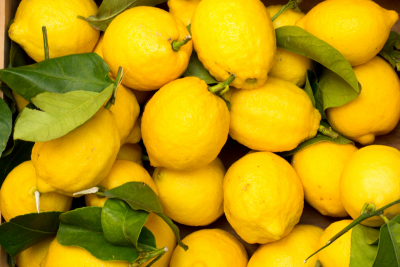
Lemons & Limes:
Shipping delays and the switch between growing regions are causing a few issues with lemon and lime supplies. Lemon sizing and quality are still variable, so what arrives may not always be quite as consistent as usual. We'll keep an eye on this as supply changes over the coming weeks.
Aubergines:
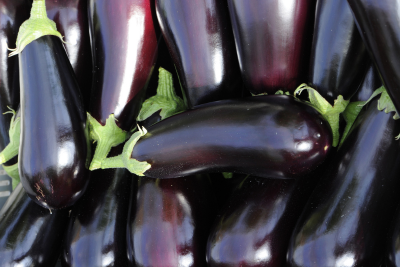
We're also nearing the end of the aubergine season, and some quality issues are starting to show. New-season production isn't expected until early November, so there may be a little uncertainty around availability and quality in the meantime.
Looking ahead to autumn and winter
It's been a challenging summer for growers, and we're likely to see some of those effects continue into the winter months. However, there are still plenty of good products coming through, and making the most of what's in season is a great way to keep menus varied.
A little flexibility with sizing and product alternatives can also make a difference, particularly where certain lines are harder to source. We'll continue to keep you updated as things change. If you have any questions about availability, need advice on alternative products or are planning your volumes for the months ahead, just speak to your account manager.


