
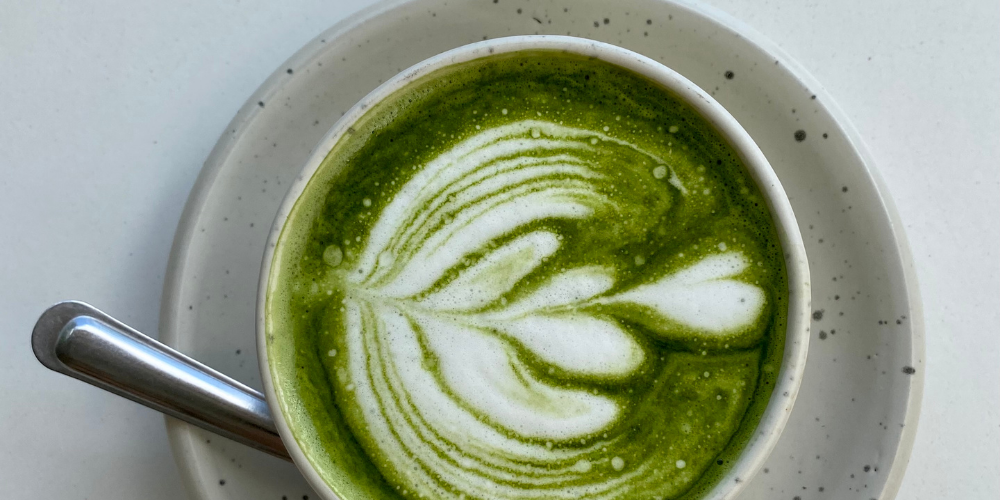
From functional ingredients and protein coffee to year-round iced drinks and international flavours, customer expectations are changing quickly. Gen Z and Millennials in particular are looking for drinks that offer more than just caffeine; they want something personalised, visually appealing and suited to their lifestyle.
For coffee businesses, the opportunity is not simply to make menus bigger. It is about making them more relevant, flexible and exciting.
1 - Functional Wellness & Adaptogenic Drinks
Wellness-focused drinks are moving from niche health products into everyday café menus. Customers are increasingly interested in beverages that combine coffee or tea with ingredients associated with focus, energy, protein and wellbeing.
What’s gaining attention?
- Mushroom & Nootropic Blends: Coffee combined with ingredients such as Lion’s Mane and Ashwagandha is becoming more visible on mainstream menus.
- Protein-Infused Coffee: “Proffee”, espresso combined with protein shakes or protein-fortified milk, is particularly appealing to gym-goers and active professionals.
- Premium Green Teas: Matcha and roasted Houjicha lattes continue to grow as customers look for alternatives to traditional coffee.
Seasonal Ideas
Autumn: Toasted Hazelnut Matcha, Houjicha Latte, Warm Adaptogenic Latte
Winter: Matcha Latte, Spiced Matcha, Protein Hot Coffee
Spring: Iced Matcha Latte, Matcha with Cold Foam
Summer: Iced Matcha, Matcha Frappe, Iced Protein Coffee
Popular year-round: Matcha Latte, Iced Matcha Latte, Protein Coffee and Adaptogenic Latte.
For example, Da Vinci Matcha Powder can be used across hot, iced and blended formats, making it a flexible ingredient for both core menus and seasonal specials.
2 - Year-Round Cold Coffee & Textural Customisation
Iced coffee is no longer simply a summer trend. Cold brews, iced lattes and chilled speciality drinks are becoming year-round menu staples, while texture is creating another layer of customisation.
What’s changing?
- Cold Coffee All Year: Cold brews, iced lattes and nitro-style drinks are maintaining demand beyond the warmer months.
- Cold Foam: Thick, aerated foam adds texture and premium appeal, with flavours such as salted caramel, hazelnut, vanilla and pistachio.
- Coffee Mocktails & Sodas: Espresso tonics, sparkling Americanos and cold brew spritzes offer a lighter, non-alcoholic option for afternoon occasions.
A suggestion is to use products like Monin Salted Caramel Syrup and Monin Hazelnut Syrup to add a twist to lattes, frappes and seasonal specials, helping cafés create variety without introducing a completely different ingredient for every drink.
3 - Global & “Swicy” Flavour Profiles
UK café menus are becoming more adventurous, with international ingredients moving into speciality drinks, desserts and limited-edition launches.
Ube, Pandan, Yuzu and Miso are gaining attention, while “swicy”, sweet and spicy combinations are giving familiar drinks a more unexpected twist.
Pistachio also continues to have strong visual appeal, appearing across lattes, frappes and bakery products.
Seasonal ideas
Spring: Yuzu Espresso Tonic, Pandan Iced Latte
Summer: Ube Frappe, Yuzu Cold Brew Spritz
Autumn: Pistachio Latte, Miso Caramel Latte
Winter: Hot Honey Latte, Chilli Mocha
These flavours work particularly well as limited-time specials, giving customers something new to try without permanently expanding the menu.
4 - Advanced Speciality Beans & Ethical Sourcing
Coffee quality is becoming increasingly important as customers become more familiar with speciality coffee. Attention is moving beyond simply where a bean comes from towards how it has been grown, processed and sourced.
Anaerobic fermentation and honey-processed coffees are creating more distinctive flavour profiles, while traceability and direct relationships with farmers are becoming stronger selling points.
For coffee businesses, clear information about origin, processing and sourcing can help communicate quality and give customers another reason to trade up.
5 - Streamlined, Experience-Driven Café Formats
The café experience is changing beyond the drink itself. The combination of quality coffee and premium bakery products is becoming an increasingly strong proposition.
Businesses such as Gail’s demonstrate how coffee and artisan bakery products can work together to create a destination built around the full customer occasion.
At the same time, smaller footprints, takeaway-focused locations and drive-thru formats are helping operators respond to demand for convenience. Digital ordering, loyalty apps and faster service are becoming increasingly important where customers want quality without the wait.
The common theme is quality, simplicity and convenience.
Top 10 Coffee Shop Drinks in the UK
While new trends are changing menus, classic espresso-based drinks remain the foundation of the UK coffee shop market.
Drink | Typical customer profile |
1. Latte | Broad appeal, particularly popular with adults aged 26+ |
2. Flat White | Young professionals and espresso-focused drinkers |
3. Americano | Customers who prefer traditional black coffee |
4. Cappuccino | Classic coffee drinkers and older demographics |
5. White Americano | Customers wanting a lighter black coffee |
6. Iced Latte | Particularly strong among younger customers |
7. Hot Chocolate | Younger customers and families, especially in colder months |
8. Mocha | Customers looking for a sweeter coffee option |
9. Chai / Matcha Latte | Wellness-focused and younger consumers |
10. Espresso | Coffee purists and customers looking for a quick, concentrated drink |
What does this mean for coffee businesses?
The strongest menus are likely to balance familiar favourites with new opportunities. A reliable latte or flat white keeps the core customer happy, while matcha, protein coffee, cold foam, global flavours and seasonal specials give customers a reason to explore.
The future of the café menu isn't necessarily about making it bigger. It's about making it more relevant.
.webp)


