
From the morning rush for a bacon bap or croissant to the afternoon customer adding a brownie to their flat white, food plays an important role in the modern UK coffee shop. The challenge for cafes is knowing which products are worth making space for, and which ones customers are most likely to pick up.
Here are 10 sweet treats that suit different customer preferences and occasions
Sweet treat | Typical customer profile |
1. Croissant | Broad appeal, particularly among 26–59s |
2. Carrot Cake | Strong appeal among 43–75+ |
3. Chocolate Brownie | Particularly popular with 18–42s |
4. Pain au Chocolat | Popular with younger customers and commuters |
5. Lemon Drizzle Cake | Particularly popular with 60–75+ |
6. Millionaire's Shortbread | Strong appeal among under-40s |
7. Blueberry Muffin | Broad appeal, especially 26–59s |
8. Cinnamon Bun / Roll | Particularly strong with 18–35s |
9. Scone with Cream & Jam | A firm favourite among 60–75s |
10. Flapjack | Popular with 40–60s |
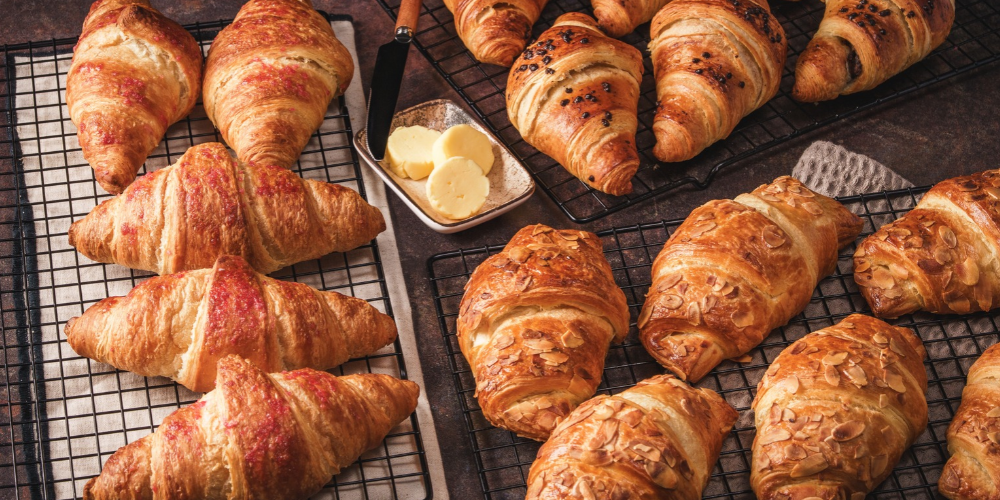
The croissant is one of the most versatile choices on the counter. It can work as a breakfast item, a mid-morning accompaniment or a lighter afternoon purchase.
French-style pastries can add a more premium feel without requiring a complicated bakery selection. Bridor's Large Pain au Chocolat, for example, provides a generous, recognisable option for the morning counter and sits comfortably alongside drinks such as lattes and flat whites.
For customers looking for something more indulgent, brownies, millionaire's shortbread and cinnamon buns offer plenty of visual appeal. Cinnamon buns in particular have become increasingly common across modern bakery and café menus. Cakesmiths' Classic Cinnamon Bun gives operators a straightforward way to introduce the style.
Traditional cakes still have an important role. Cakesmiths' Classic Carrot Cake is well suited to an afternoon coffee, while Wildflour's Be Better Lemon Traybake offers a lighter, citrus-led alternative to richer chocolate and caramel options.
Rather than continually expanding the range, coffee shops can use seasonal specials and limited-edition bakery lines to introduce something new while keeping the core selection consistent.
Top 10 Savoury Items
Savoury food plays a different role on the coffee shop counter. Customers are often looking for something filling that can be eaten quickly, whether that's breakfast on the way to work or a simple lunch between meetings.
Here are 10 options that cover breakfast, lunch and easy add-on purchases
Savoury item | Typical customer profile |
1. Cheese & Ham Toastie | Strong appeal among 26–59s |
2. Sausage Roll | Popular with 26–59s, particularly men |
3. Bacon Bap / Roll | A strong choice for commuters and working customers |
4. Mozzarella & Tomato Panini | Particularly popular with 18–42s |
5. Chicken & Bacon Club Sandwich | Popular with 26–59s |
6. Savoury Croissant | Particularly suited to 25–40s |
7. Gourmet Crisps | Broad appeal and an easy add-on purchase |
8. Cheese & Onion Quiche | Particularly popular with 60–75+ |
9. Savoury Cheese Scone | Strong appeal among 45–75s |
10. Vegan Sausage / Breakfast Bap | Growing interest among under-35s |
The bacon bap, sausage roll and toastie are straightforward choices for the morning and early lunch trade. They are familiar, filling and quick to serve, which makes them well suited to customers who don't want to spend time deciding what to order.
For lunch, toasties, sandwiches and paninis provide a more substantial option while still fitting the quick-service nature of a coffee shop. Danora's sandwich selection, for example, gives cafes practical choices for lunchtime service, while Bridor's savoury pastries can work well as breakfast or grab-and-go options.
Meat-free products are becoming an increasingly useful part of the range. A vegan breakfast bap or plant-based sausage can broaden the breakfast offer, while vegetarian choices such as mozzarella and tomato provide an alternative at lunchtime without requiring a completely separate menu.
What does this mean for coffee businesses?
The main takeaway is that a successful food range doesn't need to be extensive. It needs to cover the occasions that matter most to the individual business.
Morning trade may be driven by breakfast items and pastries, while lunchtime customers are more likely to look for something substantial. Later in the day, cakes, traybakes and other sweet treats can become more relevant.
That means Coffee Shops should think about when and why customers are buying, rather than simply trying to stock as many products as possible.
A balanced menu might look something like this:
Morning: Croissant, pain au chocolat, bacon bap and savoury croissant.
Lunch: Cheese & ham toastie, chicken & bacon sandwich and mozzarella & tomato panini.
Afternoon: Carrot cake, brownie, lemon traybake and millionaire's shortbread.
Grab & go: Muffins, flapjacks, sausage rolls and crisps.
Meat-free: Vegan breakfast options alongside vegetarian lunch choices.
The range can then be refreshed periodically with seasonal flavours, new bakery lines or limited-edition products. This creates opportunities to test new ideas without constantly changing the products customers already know.
The Bottom Line
The strongest coffee shop food ranges tend to combine dependable favourites with a small amount of variety.
Croissants, cakes, brownies, toasties and sausage rolls remain useful because customers recognise them and know what to expect. Cafés can build around those core products, then introduce premium bakery lines, seasonal specials and meat-free alternatives where there is a clear customer demand.
The aim isn't to create the biggest possible food counter. It's to create a range that works for the business throughout the day, from the commuter picking up breakfast to the customer sitting down with an afternoon coffee.
Ultimately, the most effective offer is one that reflects the customers, trading patterns and service model of the individual coffee shop.


